1814 to 1970
How Bolex came to be
Explore the chronological development of Swiss manufactured Bolex cameras and projectors in the timeline below. Key events related to the company - or to cinematographic innovations - are noted in italics.
For a more comprehensive look at the innovations and pioneers of early cinema, visit these excellent sites: Early Cinema and The History and Discovery of Cinematography.
Paillard“pie-ard”the ll is silent. Amateur Movie-Maker, 1959
45 entries · 4 eras
11 entries
Early History
1814
E. Paillard & Co. is founded in Sainte-Croix, Switzerland, by Möise Paillard. Watch movements and music box mechanisms were produced from a small workshop on the ground floor of his house.
1875
Paillard opens a production factory in Ste-Croix for the manufacture of cylinder musical boxes.
1898
Credited as inventing the first amatuer cine camera, Birt Acres introduces a combination motion picture camera/projector. The machine known as the Birtac Home Cinema used 17.5mm film, created by splitting 35mm cine film. Hoping to coin the phrase "home movies", his invention was marketed to amateurs with the idea "to place animated photography within the reach of everyone."
1907
The Bell & Howell Company is established in Chicago, IL, by two former theatre projectionists, Donald Bell and Albert Howell.
1910
The Victor Animatograph Corporation, a maker of projection equipment, is founded in 1910 in Davenport, Iowa.
1917
Bell & Howell designs a prototype 17.5mm camera intended for amateur use. (It would later form the basis for the design of the 16mm Filmo 70 in 1923.)
1920
Paillard opens an additional facility in Yverdon, Switzerland, for the production of Hermes typewriters. This location would later serve as the center of the executive administration and research division for Paillard S.A.
1922
Pathé Frères introduces the Pathé Baby film system using 9.5mm film. Originally intended as a low cost format for home distribution of commercial films, it quickly became a popular amateur format for movie makers in Europe.
1923
The "birth" of 16mm movie making for amatuers begins. Eastman Kodak introduces 16mm reversal film; marketed to amatuers as an inexpensive alternative to the 35mm motion picture film format. The immediate popularity of 16 mm movies resulted in a network of Kodak processing laboratories throughout the world. Kodak introduces the world's first 16 mm motion picture camera in July of 1923; the hand-cranked Cine-Kodak. Kodak introduces the first 16mm projector, the Kodascope In August, the Victor Animatograph Corporation introduces a 16mm hand-cranked movie camera: the Victor Cine. Similar to the Cine-Kodak in appearance, it was designed with "film economy" in mind, and exposed 14 frames per second, rather than 16. Bell & Howell introduce the world's first spring-driven camera, the Model 70A Filmo; a single lens 16mm camera marketed to the home movie enthusiast for the "making of personal motion pictures."
1924
Jacques Bogopolsky, a Ukranian engineer based in Geneva, Switzerland, patents his "BOL-Cinegraphe"; a combination 35mm cine camera and projector which was aimed at the amateur market.
1927
Bell & Howell introduces the Filmo Model C, the world's first 16mm turret camera, which allowed for the mounting of up to three lenses. The turret could be rotated to allow each lens to be moved easily into filming position. The Victor Animatograph Corporation introduces the Victor Cine Model 3, a three-lens turret camera similar in appearance to the Filmo Model C.
14 entries
1928 - 1949
1928
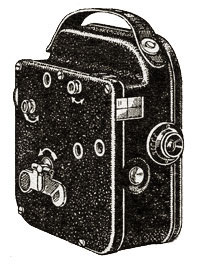
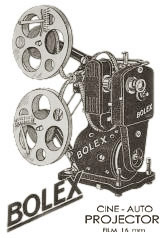
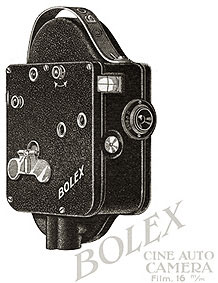
Bell & Howell introduces the Model 75 16mm home movie camera; beautiful and ornate, it was offered in three cosmetic designs and marketed as "watch thin". Bogopolsky introduces his first 16mm camera under the Bolex name, the spring-wound, single lens Auto Cine A. Auto Cine 16mm Projector introduced.
1930
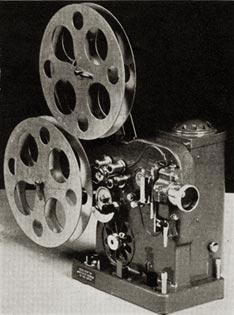
Bolex Model C 16mm projector Bogopolsky sells the Bolex company to Paillard, forming Paillard-Bolex -- the cine division of Paillard S.A. His services are retained by the Swiss company for approximately five years.
1932
Eastman Kodak introduces the 8mm motion picture film format, as a less expensive alternative to 16mm film. Kodak introduces the world's first 8mm movie camera, the Cine-Kodak 8; a compact and affordable spring-wound camera marketed to amateurs for home movie making. Bolex Model P 9.5mm projector
1936
The American Bolex Company is founded by Ezra S. Brockway, in New York City; sole distributor and authorized Bolex repair and service facility for the United States. Paillard Model G series projector
1939
Paillard Bolex G-3 Tri-film projector
1941
The American Bolex Company begins a mail order catalog service, increasing Bolex availability to amateur movie-makers in the United States.
1942
L-8 8mm camera; Paillard's first small 8 camera aimed at the amateur market
1947
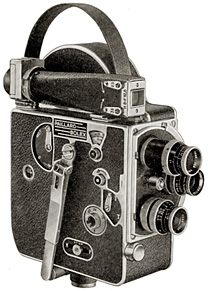
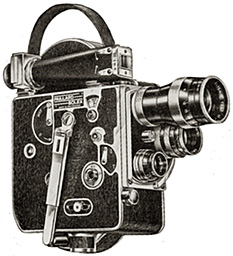
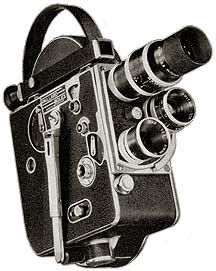
Introduction of the internal frame counter on H model cameras. The L-8 redesigned with variable speed settings. H-8 Leader 8mm camera H-16 Leader 16mm camera
1948
Paillard Products Incorporated opens at 265 Madison Avenue, in New York City, with Hans Stauder as head of Paillard USA. They replace the American Bolex Company as Paillard-Bolex distributors in the US.
1949
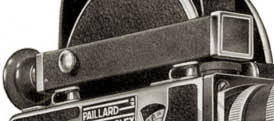
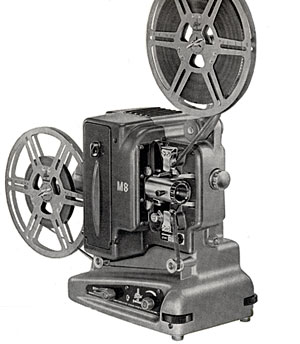
H-8 Standard 8mm camera H-16 Standard 16mm camera M-8 8mm Home Movie Projector
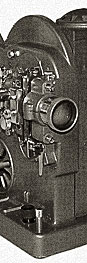
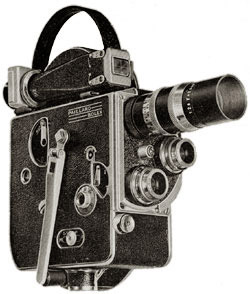
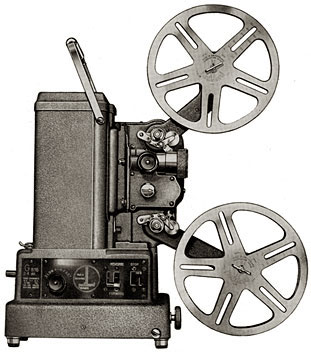
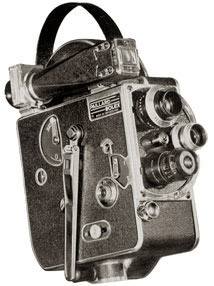
9 entries
1950s
1952
The Bolex Stereo kit is introduced as the world's first commercially available system designed for the filming of three-dimensional movies.
1954
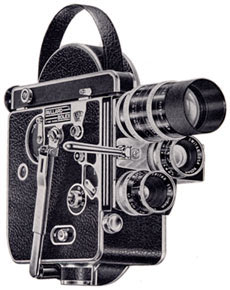
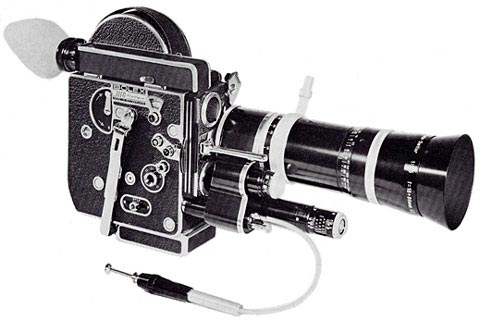
H-8 cameras (after serial # 98701) and H-16 cameras (after serial # 100401) are redesigned to include a registration claw. H-16 Supreme 16mm camera C-8 8mm camera
1955
After Spring 1955, the Bolex Reporter magazine was no longer offered free to registered owners of Bolex equipment, but remained available at franchised dealers for the same price of 35¢.
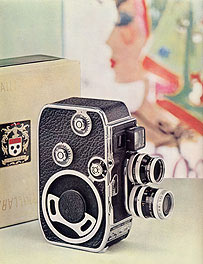
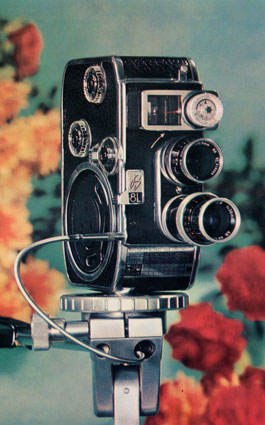
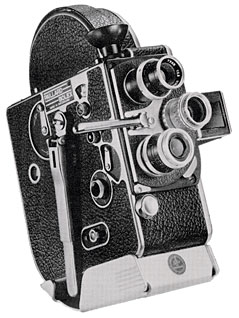
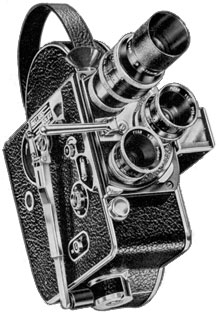
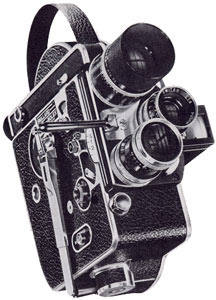
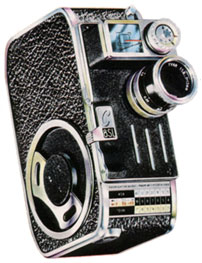
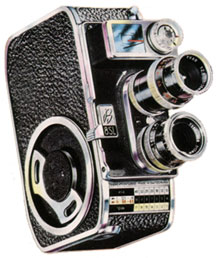
11 entries
1960s
1963
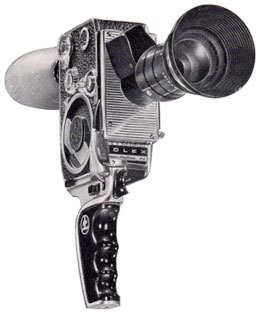
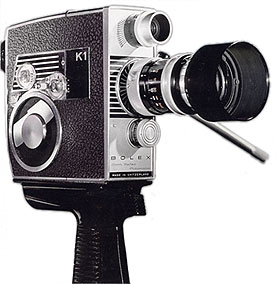
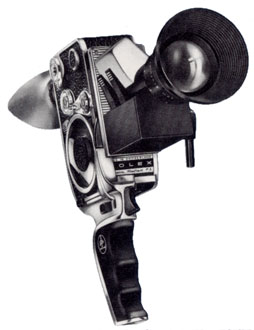
Paillard S.A. officially merges with Thorens of Switzerland. Thorens manufactured record players and amplifiers at the Ste-Croix factory. P2 Zoom Reflex 8mm camera K1 Automatic 8mm camera H-16 S 16mm camera H-8 S 8mm camera H-16 REX-2 16mm camera 18-5 Auto 8mm automatic threading projector
1964
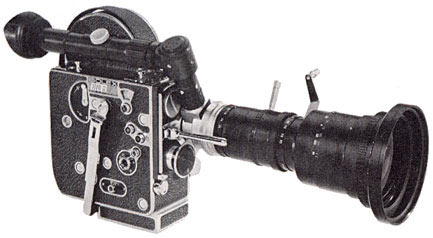
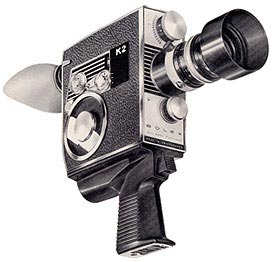
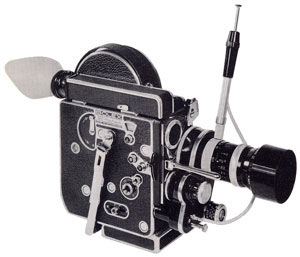
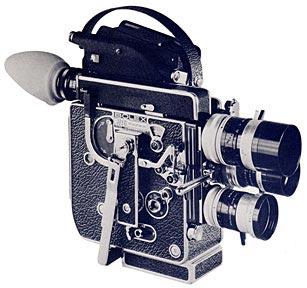
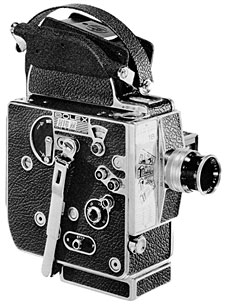
P3 Zoom Reflex 8mm camera K2 Automatic 8mm camera S1 Automatic 8mm camera H-8 REX-3 8mm camera H-16 REX-3 16mm camera H-16 M-3 16mm camera
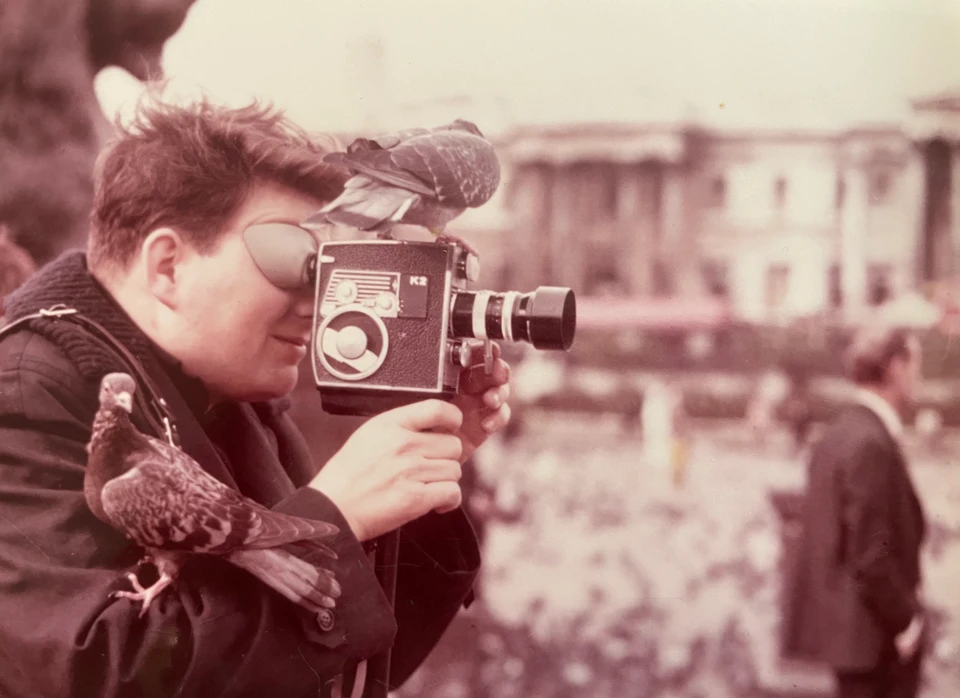
Filming in Trafalgar Square with a K2 photograph by Eric Friederich, notreHistoire.ch, published by Jean-Fred Friederich / Caméra Bolex Paillard K2 à Trafalgar Square LondresP3 Zoom ReflexK2 Automatic
1965
P4 Automatic 8mm camera H-16 REX-4 16mm camera H-8 REX-4 8mm camera H-16 M-4 16mm camera Eastman Kodak introduces the Super 8mm film format. 18-5 Super super 8mm projector
1966
Differences between Paillard S.A. and Thorens result in the end of the merger between the two companies. Thorens merged with EMT of Germany to become Thorens-Franz AG.
1967
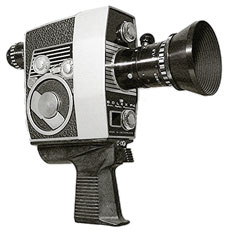
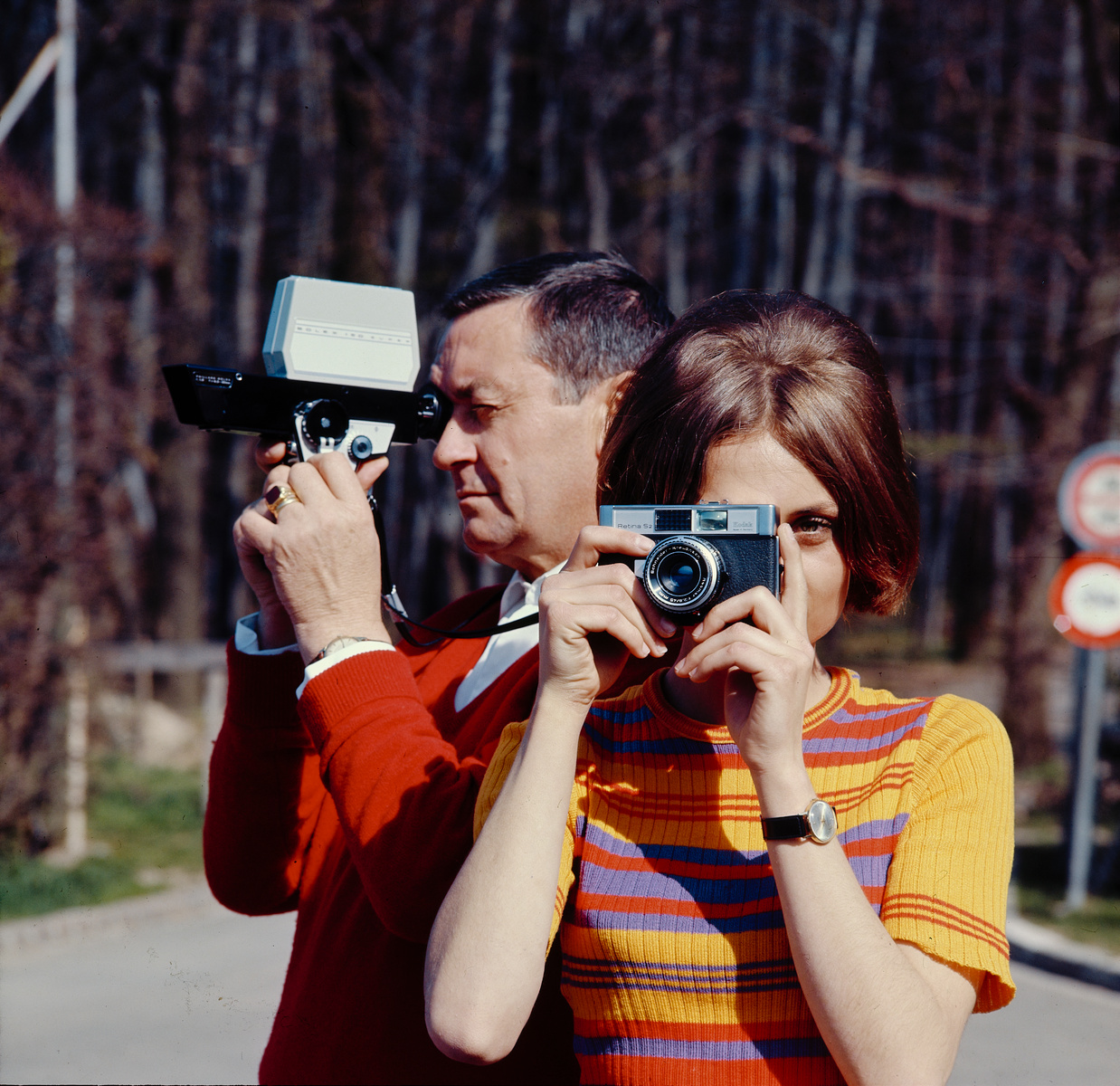
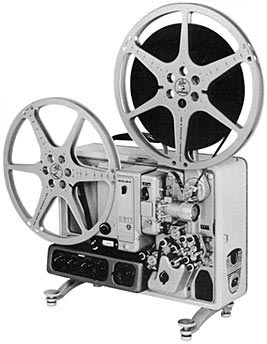
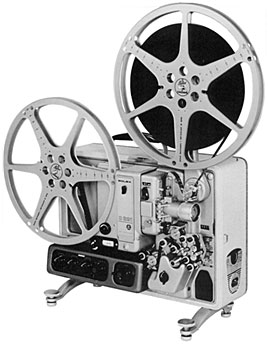
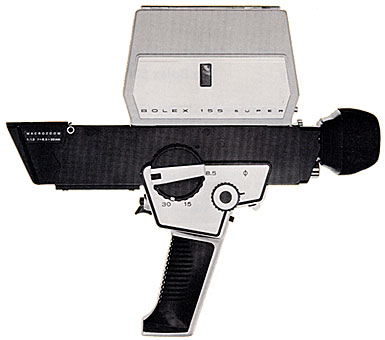
H-16 REX-5 16mm camera H-16 M-5 16mm camera 150 Super super 8mm camera SM-8 super 8mm projector 18-5L Super 8mm projector
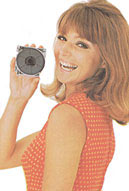
The 150 Super, for a feature on amateur film-making photograph by Jack Metzger (1918–1999), ETH Library Zurich, Image Archive / Com_C16-049-005H-16 REX-5H-16 M-5
1970
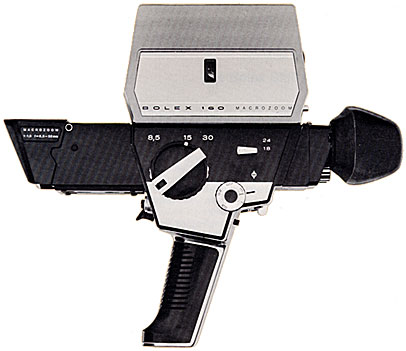
160 Macrozoom super 8mm camera Paillard Bolex is renamed to Bolex International S.A. as a result of company restructuring and a need to compete with the growing Super 8 market. While development of the H-16 would continue in Switzerland, future products would be manufactured in Austria, Italy and Japan.
Where the record ends
Michael Tisdale’s chronology closes in 1970, with Paillard Bolex becoming Bolex International S.A.
What came after is not in this archive, and nothing here will invent it. The company still trades from Sainte-Croix; the cameras are still being run, repaired and shot on.
The original archive
The preserved BolexCollector.com page, exactly as captured.